Diving Wetsuits for Supreme Relaxation and Capability in Water Sports
Diving wetsuits are fundamental to enriching the experience of water sports enthusiasts. They furnish temperature regulation, defend the skin, and optimize buoyancy. A correctly fitting wetsuit curtails water entry, maintaining comfort and agility. However, finding the right wetsuit calls for familiarizing oneself with various features and materials. As temperatures and conditions transition, mastering selection criteria becomes critical. The next steps in finding the ideal wetsuit might change how one navigates aquatic adventures.
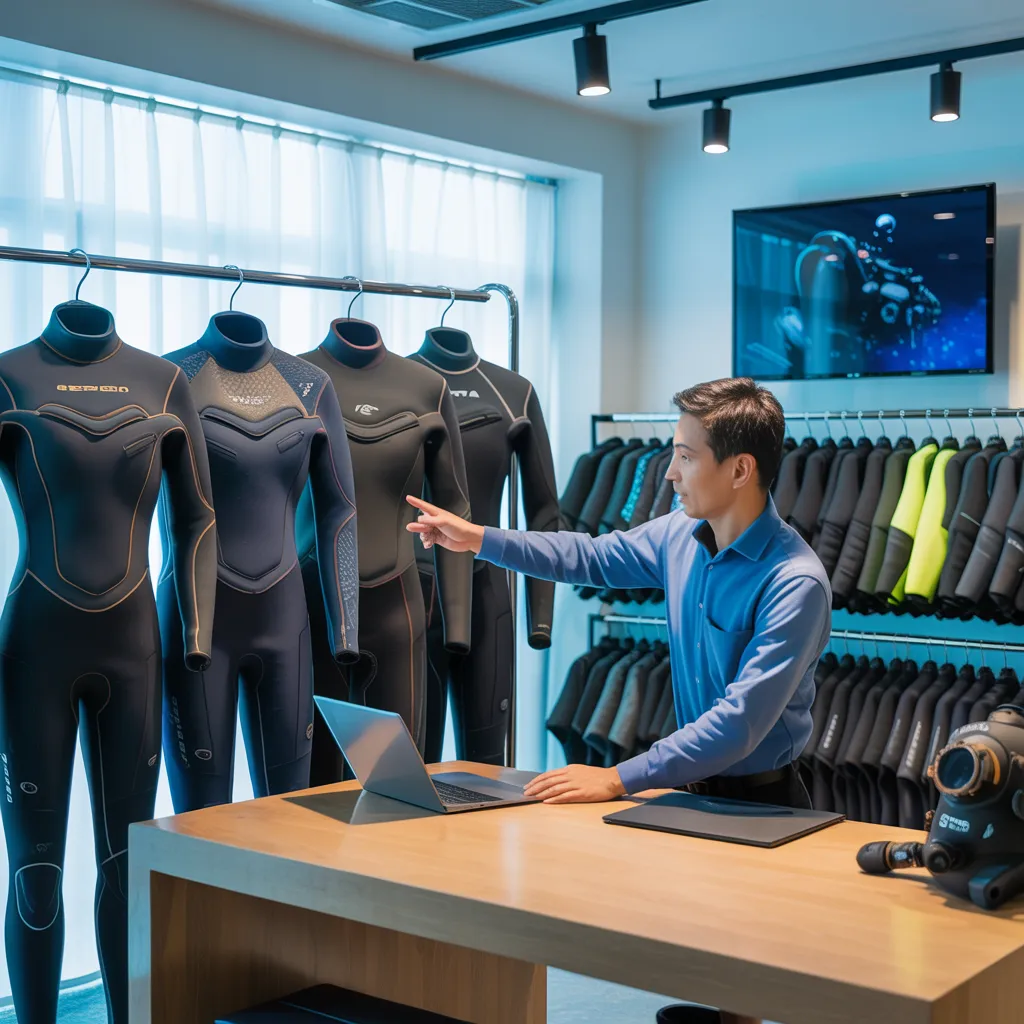
Why Wetsuits Are Essential for Water Sports Participants
Wetsuits work as vital equipment for water sports enthusiasts, offering protection and ease in diverse aquatic conditions. These clothing items offer thermal insulation, maintaining the body warm in cold waters, which is essential for preserving stamina and performance. Furthermore, wetsuits guard the skin from abrasions, stings, and dangerous UV rays, allowing individuals to engage in activities such as surfing, diving, and snorkeling with minimized risk of injury.
The flotation offered by wetsuits improves overall performance, allowing easier motion and better handling in the water. This buoyancy helps divers in managing their buoyancy while investigating underwater environments. Additionally, the tight fit of a wetsuit reduces water infiltration, guaranteeing that individuals remain nimble and concentrated on their sport. For water sports fans, the right wetsuit becomes an indispensable tool, adding significantly to both safety and enjoyment during their aquatic adventures.
Critical Elements Your Wetsuit Should Have
When selecting a wetsuit, understanding the essential features is crucial for maximizing performance and comfort in the water. A properly fitting wetsuit ensures limited water entry, improving thermal insulation and buoyancy. The thickness of the neoprene material is critically important; typically, a 3mm to 5mm thickness is suggested depending on water temperature.
Sealed seams are another important feature, as they prevent water from seeping in, maintaining warmth during longer sessions. Flexibility is vital for free movement, making features like ergonomic panels and strategic cutouts significant. Additionally, a reliable zipper system, whether back or front, should allow effortless entry and exit while remaining watertight.
Finally, consider extra components like reinforced knees for durability and wrist or ankle seals for a tight seal. These features work together to an improved diving adventure, guaranteeing both ease and performance in different water sports pursuits.
The Way Material Options Shape Comfort and Flexibility
The materials chosen for wetsuits greatly influence both ease and adaptability. Fluctuations in neoprene gauge can influence heat retention and flexibility, while the elasticity of the substance plays an important role in overall performance. Grasping these factors is vital for choosing the appropriate suit for water sports pursuits.
Neoprene Thickness Deviation
The variation in neoprene thickness constitutes an key factor that significantly influences both comfort and flexibility in diving wetsuits. Thicker neoprene supplies increased insulation, making it suitable for colder waters, while thinner options boost breathability and lessen bulk. The choice of thickness determines how well the wetsuit conforms to the body, impacting overall fit and freedom of movement. A well-designed wetsuit implements varying thicknesses strategically, allowing for better thermal protection in vital areas while maintaining flexibility in joints and limbs. This balance ensures that divers can enjoy extended periods in the water without feeling restricted. Ultimately, understanding neoprene thickness variability is critical for selecting the appropriate wetsuit tailored to specific diving conditions and personal comfort preferences.
Extensibility and Mobility Components
Selecting the best wetsuit means more than simply focusing on neoprene thickness; stretchability and mobility are vital for comfort and performance. The choice of materials significantly affects how well a wetsuit accommodates a diver's movements. Neoprene blends with high-stretch properties, including super-stretch technology, boost flexibility, enabling a wider range of motion. In addition, features including articulated seams and tactical panel arrangements assist in enhancing mobility, cutting down on resistance during swimming or diving. A wetsuit that fits well and prioritizes stretchability does not only improves performance but also lowers fatigue in extended water use. Consequently, opting for a wetsuit that blends insulation with flexibility is crucial for comfortable wear and an enjoyable water sports experience.
How to Identify Your Perfect Fit
Selecting the suitable size for a wetsuit commences with correctly determining body dimensions. Understanding the various thickness alternatives available can also determine comfort and warmth during water activities. This blend guarantees superior performance and enjoyment in aquatic spaces.
Assessing Your Physique Proportions
Getting the proper fit for a diving wetsuit relies on accurate body measurements. To start, one must collect a flexible measuring tape and take several key measurements: chest, waist, hips, inseam, and height. The chest measurement is essential for guaranteeing that the suit fits snugly around the torso, while the waist and hip measurements help tailor the fit around the midsection and lower body. The inseam measurement aids in determining the length of the legs, ensuring proper coverage. Finally, height offers an overall scale for the suit's dimensions. It is recommended to wear minimal clothing while measuring for the most precise results. Precise measurements will greatly enhance ease and performance in water sports, guaranteeing a superior diving experience.
Grasping Diving suit Thickness Selections
When picking a wetsuit, knowing the various thickness choices is crucial for ideal performance and comfort in different water conditions. Wetsuits typically span 2mm to 7mm in thickness, affecting flexibility and insulation. A 2mm suit is suitable for warm water, providing minimal thermal protection while allowing freedom of movement. In contrast, a 5mm wetsuit provides a balance for cooler waters, ensuring adequate warmth without sacrificing flexibility. For frigid conditions, a 7mm suit is recommended, delivering maximum insulation but potentially restricting mobility. It's important to take into account personal tolerance to cold, the duration of water exposure, and activity type when choosing a thickness. Ultimately, the right fit enhances both comfort and performance during aquatic adventures.
Body Heat Regulation: Maintaining Warm in Icy Waters
In cold water environments, proficient thermal regulation is crucial for maintaining well-being and protection during water sports. Insulated suits are developed to trap a narrow band of water against the skin, which warms up from body heat, creating an protective layer. The composition and thickness of a protective suit substantially impact its insulating ability; neoprene is the most common option due to its outstanding insulation properties.
Additionally, wetsuits often include features such as sealed seams and thermal linings to improve heat retention. The sizing of the wetsuit is also crucial; a tight fit minimizes water circulation, preventing the reduction of warmth.
In colder environments, water sports athletes may select additional accessories such as hoods, hand protection, and foot coverings to enhance heat retention. By understanding these elements of heat management, water sports enthusiasts can choose appropriate gear to provide an enjoyable experience in cold water.
What Wetsuit Type Works Well for You?
Picking the suitable wetsuit type can markedly impact comfort and performance during water sports. Numerous factors determine this decision, including water temperature, activity type, and personal fit preference.
Full wetsuits, encompassing the whole body, are perfect for colder waters, delivering optimal insulation. Meanwhile, shorty wetsuits, which have short sleeves and legs, offer more range of motion and are better suited for heated conditions. For those participating in high-intensity activities like surfing, a lighter wetsuit may improve flexibility without compromising too much heat retention.
Furthermore, it is vital to examine the substance. Neoprene thickness varies, with thicker options offering more warmth but less mobility. Conversely, thinner fabrics permit for greater flexibility but may need additional thermal layers in colder environments. Ultimately, individuals should evaluate their specific requirements and preferences to select the wetsuit type that will optimize their experience in the water.
Advice on Protecting Your Wetsuit
Proper handling for a wetsuit can markedly prolong its service life and maintain its operation. After every use, it is crucial to rinse the diving suit thoroughly with fresh water to remove salt, sand, and chlorine that can degrade the composition. Avoid abrasive detergents; instead, opt for wetsuit-specific cleaners.
When air-drying, the wetsuit should be placed discover more inside out in a shaded area, distant from direct sunlight, which can cause colors to fade and neoprene to deteriorate. Storing the wetsuit level or on a wide hanger avoids creases and preserves its shape.
Stay alert for symptoms of damage, like tears or leaks, and address them quickly to avoid further damage. In conclusion, avoid stepping on the wetsuit when putting it on or taking it off, because this can trigger unnecessary stretching or tearing. Careful consideration guarantees peak performance and fulfillment in water sports.
Frequently Posed Inquiries
Can I use a Wetsuit for Activities Other Than Diving?
Yes, protective suits can be worn for different aquatic sports, like surfing, paddleboarding, and snorkeling. They offer thermal insulation, buoyancy, and protection from abrasions, making them versatile for varied water environments and conditions.
What Is the Best Way to Store My Wetsuit?
To correctly preserve a wetsuit, rinse it in fresh water, dry it away from direct sunlight, and place it on a broad hanger. Don't fold to prevent creases and maintain the suit's integrity.
What Indicators Reveal a Impaired Wetsuit?
Visible tears, thinning material, peeling neoprene, and damaged seams are signs of a damaged wetsuit. Furthermore, leakage during operation or an unusual odor may indicate deterioration, necessitating fixing or replacement for optimal performance.
Can Wetsuits Cause Dermal irritation?
Yes, wet suits can produce epidermal sensitivity due to causes like inadequate sizing, textile allergies, or prolonged exposure. Signs may encompass irritated patches, chafing, or hypersensitivity reactions, prompting users to explore alternative materials or improved fits.
How regularly Should I Swap Out My Wetsuit?
Wetsuits should typically be replaced every three to five years, based on usage frequency and maintenance. Signs of wear, such as discoloration or damaged seams, suggest that it's necessary to replace it to maintain performance.